
Like us on facebook
Follow us on twitter
review us on google

Foot Blisters While Hiking and How to Prevent Them

Foot blisters are a common problem during hiking and develop when friction, heat, and moisture repeatedly irritate the skin. Wearing ill-fitting boots, improper socks, uneven terrain, and long periods of walking can increase rubbing and pressure on certain areas of the foot. Symptoms often include redness, burning pain, swelling, and fluid filled pockets that make each step uncomfortable. Prevention focuses on wearing properly fitted hiking boots, choosing moisture wicking socks, keeping feet clean and dry, and taking breaks to reduce friction. Protective padding may also help prevent irritation. A podiatrist can help by treating painful or infected blisters, recommending proper footwear, and providing guidance to prevent future issues. If foot blisters are interfering with hiking enjoyment or daily comfort, it is suggested that you consult a podiatrist who can offer effective relief and prevention tips. 

Blisters are prone to making everyday activities extremely uncomfortable. If your feet are hurting, contact Edward Sharrer, DPM of Premier Foot and Ankle Clinic. Our podiatrist can provide the care you need to keep you pain-free and on your feet.

Foot Blisters

Foot blisters develop as a result of constantly wearing tight or ill-fitting footwear. This happens due to the constant rubbing from the shoe, which can often lead to pain.

What Are Foot Blisters?

A foot blister is a small fluid-filled pocket that forms on the upper-most layer of the skin. Blisters are filled with clear fluid and can lead to blood drainage or pus if the area becomes infected.

How Do Blisters Form?

Blisters on the feet are often the result of constant friction of skin and material, usually by shoe rubbing. Walking in sandals, boots, or shoes that don’t fit properly for long periods of time can result in a blister. Having consistent foot moisture and humidity can easily lead to blister formation.

Prevention & Treatment

It is important to properly care for the affected area in order to prevent infection and ease the pain. Do not lance the blister and use a Band-Aid to provide pain relief. Also, be sure to keep your feet dry and wear proper fitting shoes. If you see blood or pus in a blister, seek assistance from a podiatrist.

If you have any questions, please feel free to contact our office located in North Little Rock, AZ . We offer the newest diagnostic and treatment technologies for all your foot care needs.


Read more about Blisters

Stages of Diabetic Foot Ulcers

Diabetic foot ulcers progress through distinct stages, each requiring careful attention to prevent complications. Superficial ulceration begins with damage to the top layer of skin, often presenting as a small sore or redness. Deep ulceration extends into the tissues beneath the skin, increasing the risk of infection and discomfort. Osteomyelitis or deep abscess occurs when the infection reaches the bone, creating severe pain and swelling. In advanced cases, gangrene of the forefoot may develop, posing serious threats to mobility and overall health. A podiatrist can evaluate the severity of the ulcer, provide wound care, recommend protective footwear, and guide treatments to promote healing and prevent progression. If you have diabetes and notice any signs of a foot ulcer, it is suggested that you are under the care of a podiatrist who can help you to manage this serious condition.

Wound care is an important part in dealing with diabetes. If you have diabetes and a foot wound or would like more information about wound care for diabetics, consult with Edward Sharrer, DPM from Premier Foot and Ankle Clinic. Our podiatrist will assess your condition and provide you with quality foot and ankle treatment.

What Is Wound Care?

Wound care is the practice of taking proper care of a wound. This can range from the smallest to the largest of wounds. While everyone can benefit from proper wound care, it is much more important for diabetics. Diabetics often suffer from poor blood circulation which causes wounds to heal much slower than they would in a non-diabetic. 

What Is the Importance of Wound Care?

While it may not seem apparent with small ulcers on the foot, for diabetics, any size ulcer can become infected. Diabetics often also suffer from neuropathy, or nerve loss. This means they might not even feel when they have an ulcer on their foot. If the wound becomes severely infected, amputation may be necessary. Therefore, it is of the upmost importance to properly care for any and all foot wounds.

How to Care for Wounds

The best way to care for foot wounds is to prevent them. For diabetics, this means daily inspections of the feet for any signs of abnormalities or ulcers. It is also recommended to see a podiatrist several times a year for a foot inspection. If you do have an ulcer, run the wound under water to clear dirt from the wound; then apply antibiotic ointment to the wound and cover with a bandage. Bandages should be changed daily and keeping pressure off the wound is smart. It is advised to see a podiatrist, who can keep an eye on it.

If you have any questions please contact our office located in North Little Rock, AZ . We offer the newest diagnostic and treatment technologies for all your foot and ankle needs.

Read more about Wound Care

Reminder: When Was the Last Time...?

Custom orthotics, or shoe inserts, should be periodically replaced. Orthotics must fit properly to give you the best results. Protect your feet and ankles!

When Low Arches Affect Comfort and Stability

Flat feet occur when the arches sit lower than usual or collapse when standing, causing the entire sole to rest more fully on the ground. Some people are born with this structure, while others develop it over time due to tendon weakness, aging, injury, or extra stress on the feet. Low arches can lead to tired feet, aching ankles, or discomfort that travels into the knees or lower back because the body works harder to stay aligned. Many individuals also notice shoes wearing unevenly or feeling less supportive during long periods of standing or walking. Wearing supportive footwear, gentle strengthening, and early attention to soreness can improve comfort and prevent further strain. If you have persistent fatigue, instability, or pain related to low arches, it is suggested that you schedule an appointment with a podiatrist for a personalized evaluation.

Flatfoot is a condition many people suffer from. If you have flat feet, contact Edward Sharrer, DPM from Premier Foot and Ankle Clinic. Our podiatrist will treat your foot and ankle needs.

What Are Flat Feet?

Flatfoot is a condition in which the arch of the foot is depressed and the sole of the foot is almost completely in contact with the ground. About 20-30% of the population generally has flat feet because their arches never formed during growth.

Conditions & Problems:

Having flat feet makes it difficult to run or walk because of the stress placed on the ankles.

Alignment – The general alignment of your legs can be disrupted, because the ankles move inward which can cause major discomfort.

Knees – If you have complications with your knees, flat feet can be a contributor to arthritis in that area.  

Symptoms

  • Pain around the heel or arch area
  • Trouble standing on the tip toe
  • Swelling around the inside of the ankle
  • Flat look to one or both feet
  • Having your shoes feel uneven when worn

Treatment

If you are experiencing pain and stress on the foot you may weaken the posterior tibial tendon, which runs around the inside of the ankle. 

If you have any questions, please feel free to contact our office located in North Little Rock, AZ . We offer the newest diagnostic and treatment technologies for all your foot care needs.
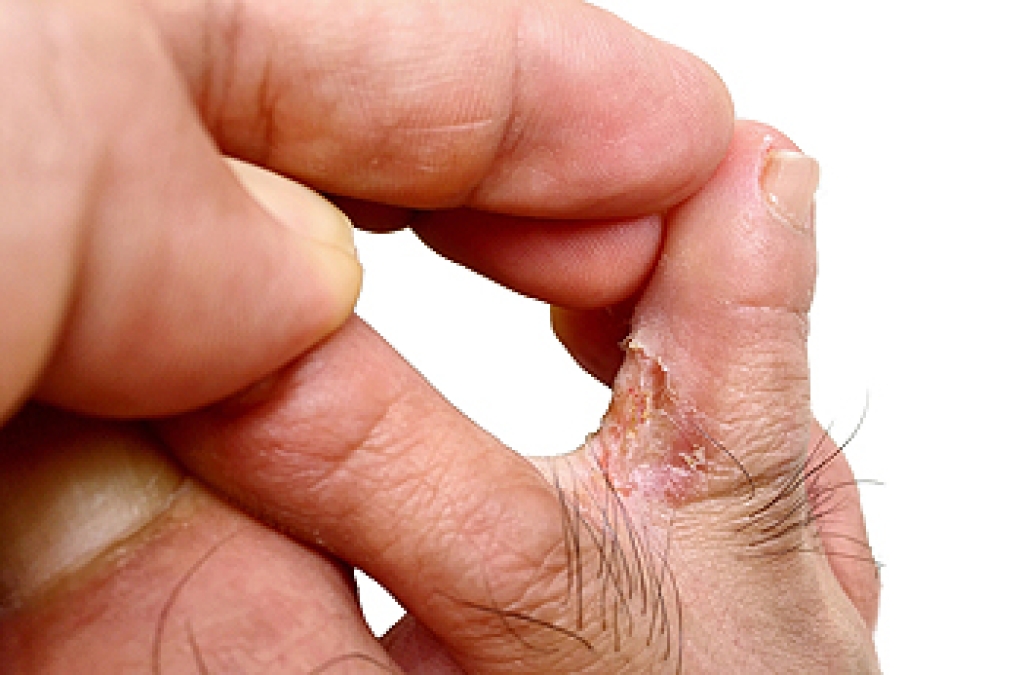
Read more about Flat Feet

Awareness Makes a Difference With Plantar Fasciitis

Understanding the early signs of plantar fasciitis can help prevent the condition from becoming a long lasting source of heel discomfort. Many people first notice a sharp ache when taking the first steps in the morning or after sitting for a while. This irritation develops when the thick band of tissue along the bottom of the foot becomes strained, often from overuse, inadequate support, or tight calf muscles. Paying attention to these early signals allows you to adjust activity, improve footwear, and explore gentle stretching before the pain becomes more persistent. Ignoring the issue can affect walking, balance, and overall mobility. Staying informed encourages quicker relief and helps protect the long-term health of your feet. If you have recurring heel pain or morning stiffness, it is suggested that you schedule an appointment with a podiatrist for appropriate guidance.

Plantar fasciitis can be very painful and inconvenient. If you are experiencing heel pain or symptoms of plantar fasciitis, contact Edward Sharrer, DPM  from Premier Foot and Ankle Clinic. Our podiatrist can provide the care you need to keep you pain-free and on your feet.

What Is Plantar Fasciitis?

Plantar fasciitis is the inflammation of the thick band of tissue that runs along the bottom of your foot, known as the plantar fascia, and causes mild to severe heel pain.

What Causes Plantar Fasciitis?

  • Excessive running
  • Non-supportive shoes
  • Overpronation
  • Repeated stretching and tearing of the plantar fascia

How Can It Be Treated?

  • Conservative measures – anti-inflammatories, ice packs, stretching exercises, physical therapy, orthotic devices
  • Shockwave therapy – sound waves are sent to the affected area to facilitate healing and are usually used for chronic cases of plantar fasciitis
  • Surgery – usually only used as a last resort when all else fails. The plantar fascia can be surgically detached from the heel

While very treatable, plantar fasciitis is definitely not something that should be ignored. Especially in severe cases, speaking to your doctor right away is highly recommended to avoid complications and severe heel pain. Your podiatrist can work with you to provide the appropriate treatment options tailored to your condition.

If you have any questions, please feel free to contact our office located in North Little Rock, AZ . We offer the newest diagnostic and treatment technologies for all your foot care needs.
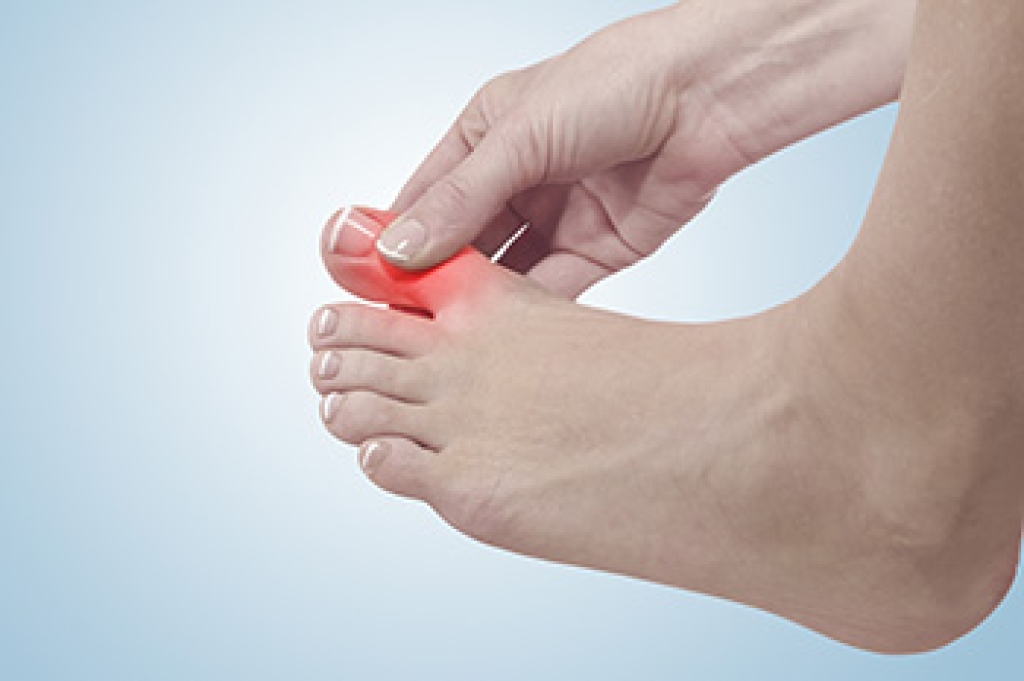
Read more about Plantar Fasciitis
scroll to top