
Have your child's feet been examined lately? Healthy feet are happy feet. If your child is complaining of foot pain, it may be a sign of underlying problems.


Have your child's feet been examined lately? Healthy feet are happy feet. If your child is complaining of foot pain, it may be a sign of underlying problems.
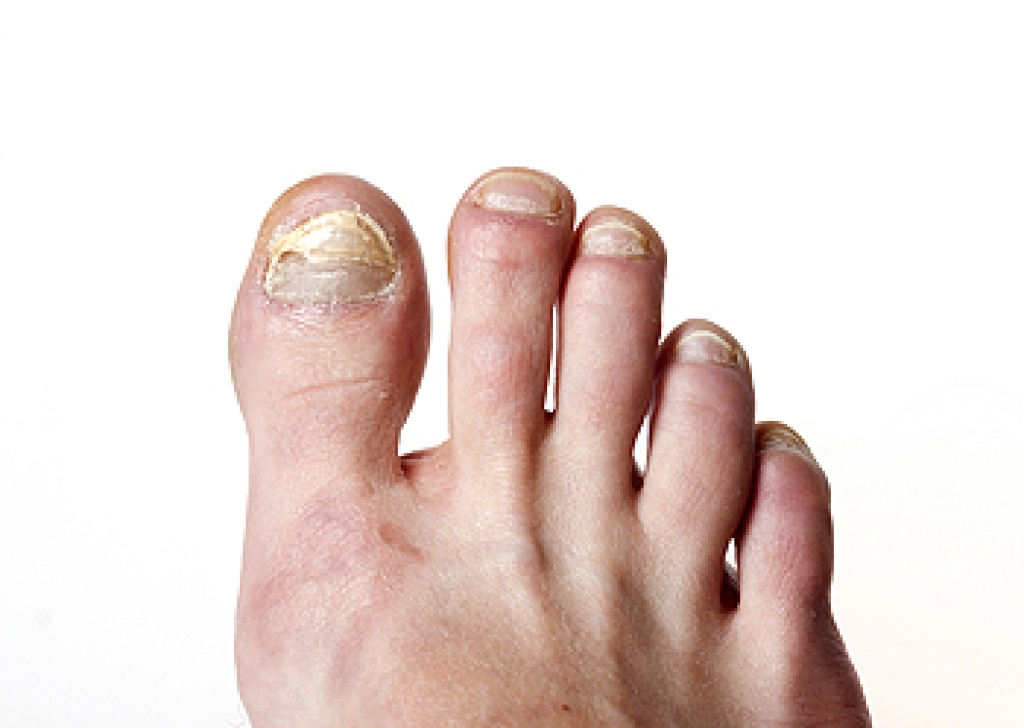
Toenail fungus can be treated in several ways, depending on how severe the infection is and how many nails are involved. Medicated nail polish is often used for mild cases. It is applied directly to the nail and works slowly, requiring consistent use for many months. Antifungal creams are rubbed onto the nail and surrounding skin and may help when the infection also affects the skin, although they may not reach deeper nail involvement on their own. Oral tablets treat the infection from within the body and are usually reserved for more advanced or stubborn cases. These medications can be very effective but may require monitoring due to potential side effects. Choosing the right option depends on nail thickness, color changes, and how long the problem has been present. When toenails become discolored, brittle, or painful, it is suggested that a podiatrist be consulted for a diagnosis and treatment guidance.
For more information about treatment, contact Edward Sharrer, DPM of Premier Foot and Ankle Clinic. Our podiatrist can provide the care you need to keep you pain-free and on your feet.
Toenail Fungus Treatment
Toenail fungus is a condition that affects many people and can be especially hard to get rid of. Fortunately, there are several methods to go about treating and avoiding it.
Antifungals & Deterrence
Oral antifungal medicine has been shown to be effective in many cases. It is important to consult with a podiatrist to determine the proper regiment for you, or potentially explore other options.
Applying foot powder on the feet and shoes helps keep the feet free of moisture and sweat.
Sandals or open toed shoes – Wearing these will allow air movement and help keep feet dry. They also expose your feet to light, which fungus cannot tolerate. Socks with moisture wicking material also help as well.
If you have any questions please contact our office located in North Little Rock, AZ . We offer the newest diagnostic and treatment technologies for all your foot and ankle needs.
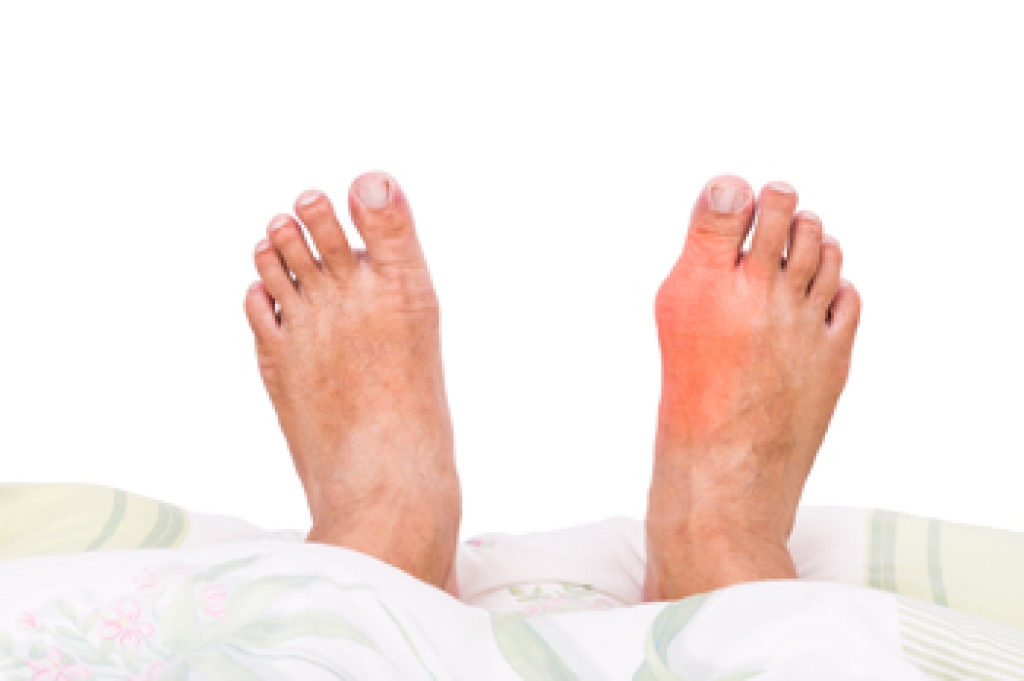
Bunions are a common foot deformity that develop when the joint at the base of the big toe becomes misaligned. This causes the tip of the big toe to lean toward the smaller toes, and creates a visible bony bump along the side of the foot. Bunions often cause symptoms such as pain, tenderness, swelling, redness, and difficulty wearing shoes comfortably. Over time, the condition may worsen and limit daily activities. Risk factors include genetics, flat feet, arthritis, prolonged use of tight footwear, and repetitive stress on the foot. Although bunions do not always cause pain, they can interfere with balance and walking. A podiatrist can evaluate the severity of the deformity, recommend custom orthotics, footwear modifications, and targeted treatments to relieve discomfort and slow progression. If bunion pain is affecting your quality of life, it is suggested that you consult a podiatrist who can offer effective relief and treatment solutions.
If you are suffering from bunion pain, contact Edward Sharrer, DPM of Premier Foot and Ankle Clinic. Our podiatrist can provide the care you need to keep you pain-free and on your feet.
What Is a Bunion?
Bunions are painful bony bumps that usually develop on the inside of the foot at the joint of the big toe. As the deformity increases over time, it may become painful to walk and wear shoes. Women are more likely to exacerbate existing bunions since they often wear tight, narrow shoes that shift their toes together. Bunion pain can be relieved by wearing wider shoes with enough room for the toes.
Causes
Symptoms
In order to diagnose your bunion, your podiatrist may ask about your medical history, symptoms, and general health. Your doctor might also order an x-ray to take a closer look at your feet. Nonsurgical treatment options include orthotics, padding, icing, changes in footwear, and medication. If nonsurgical treatments don’t alleviate your bunion pain, surgery may be necessary.
If you have any questions, please feel free to contact our office located in North Little Rock, AZ . We offer the newest diagnostic and treatment technologies for all your foot care needs.
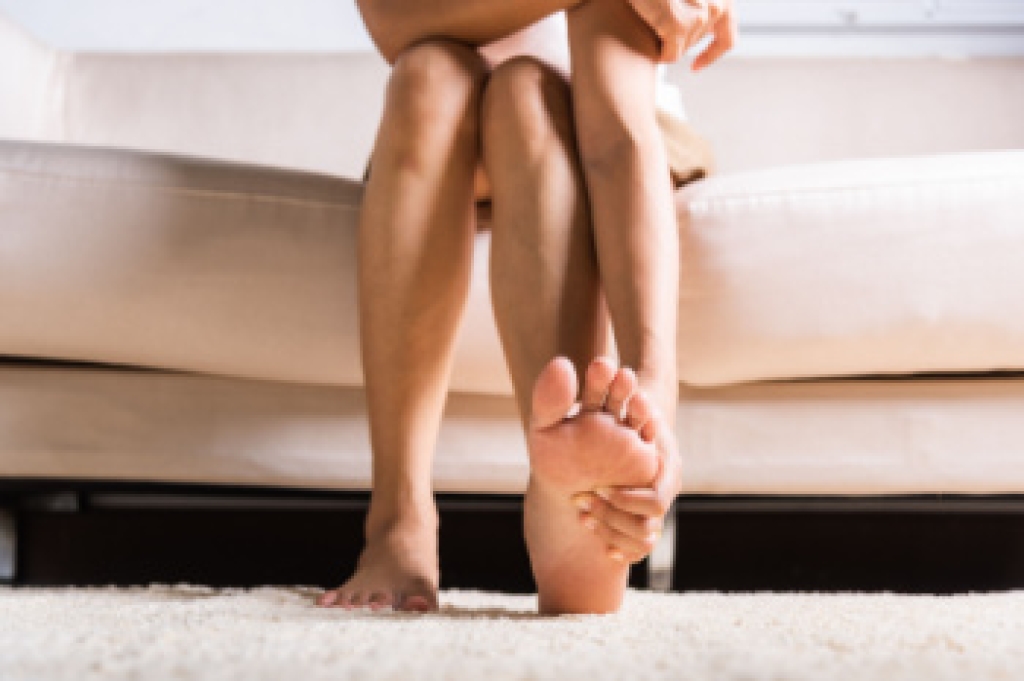
Foot pain can develop from many sources, especially when the structures of the feet are placed under long-term stress. Heel and arch pain often stems from strain on the plantar fascia, while irritation of the Achilles tendon can affect the back of the ankle. Metatarsalgia, or pain under the ball of the foot, is usually caused by excess pressure from shoes with inadequate support, high heels, or conditions that strain the ligaments in this area. Nerve problems like Morton’s neuroma can create burning or tingling near the toes, and arthritis can affect the many joints of the feet, leading to stiffness and swelling. Bunions and hammertoes may develop when the toes are pushed out of alignment by tight or narrow shoes. A podiatrist can provide a diagnosis and recommend treatment that addresses the source of the problem. If you are experiencing foot pain, it is suggested that you make an appointment with a podiatrist for an exam and treatment.
Foot Pain
Foot pain can be extremely painful and debilitating. If you have a foot pain, consult with Edward Sharrer, DPM from Premier Foot and Ankle Clinic. Our podiatrist will assess your condition and provide you with quality foot and ankle treatment.
Causes
Foot pain is a very broad condition that could be caused by one or more ailments. The most common include:
Diagnosis
To figure out the cause of foot pain, podiatrists utilize several different methods. This can range from simple visual inspections and sensation tests to X-rays and MRI scans. Prior medical history, family medical history, and any recent physical traumatic events will all be taken into consideration for a proper diagnosis.
Treatment
Treatment depends upon the cause of the foot pain. Whether it is resting, staying off the foot, or having surgery; podiatrists have a number of treatment options available for foot pain.
If you have any questions, please feel free to contact our office located in North Little Rock, AZ . We offer the newest diagnostic and treatment technologies for all your foot care needs.
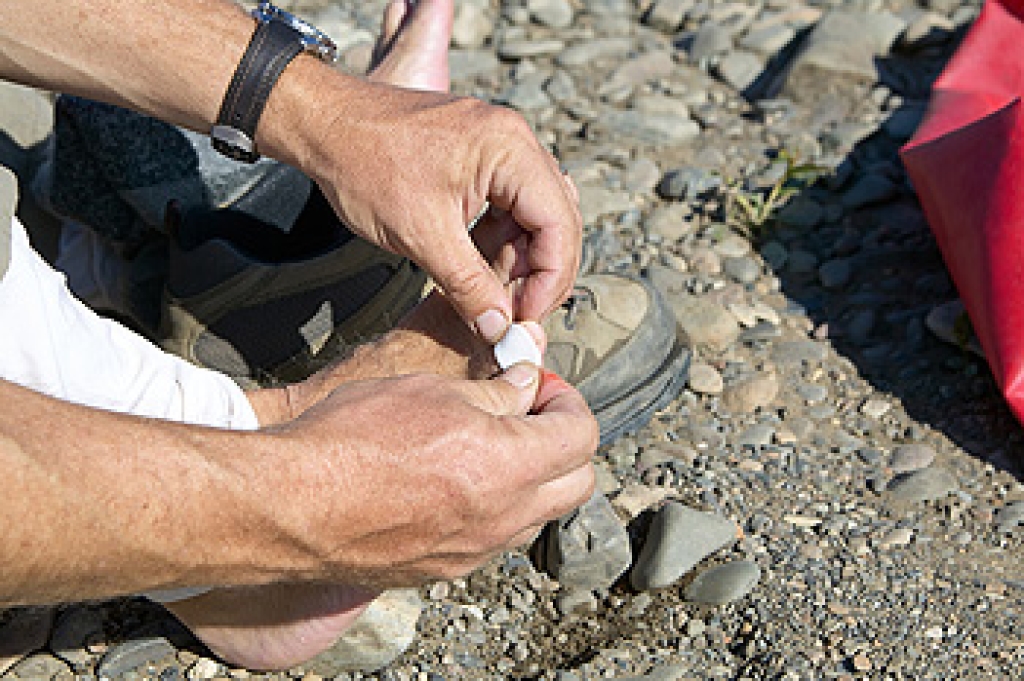
Foot blisters are a common problem during hiking and develop when friction, heat, and moisture repeatedly irritate the skin. Wearing ill-fitting boots, improper socks, uneven terrain, and long periods of walking can increase rubbing and pressure on certain areas of the foot. Symptoms often include redness, burning pain, swelling, and fluid filled pockets that make each step uncomfortable. Prevention focuses on wearing properly fitted hiking boots, choosing moisture wicking socks, keeping feet clean and dry, and taking breaks to reduce friction. Protective padding may also help prevent irritation. A podiatrist can help by treating painful or infected blisters, recommending proper footwear, and providing guidance to prevent future issues. If foot blisters are interfering with hiking enjoyment or daily comfort, it is suggested that you consult a podiatrist who can offer effective relief and prevention tips.
Blisters are prone to making everyday activities extremely uncomfortable. If your feet are hurting, contact Edward Sharrer, DPM of Premier Foot and Ankle Clinic. Our podiatrist can provide the care you need to keep you pain-free and on your feet.
Foot Blisters
Foot blisters develop as a result of constantly wearing tight or ill-fitting footwear. This happens due to the constant rubbing from the shoe, which can often lead to pain.
What Are Foot Blisters?
A foot blister is a small fluid-filled pocket that forms on the upper-most layer of the skin. Blisters are filled with clear fluid and can lead to blood drainage or pus if the area becomes infected.
How Do Blisters Form?
Blisters on the feet are often the result of constant friction of skin and material, usually by shoe rubbing. Walking in sandals, boots, or shoes that don’t fit properly for long periods of time can result in a blister. Having consistent foot moisture and humidity can easily lead to blister formation.
Prevention & Treatment
It is important to properly care for the affected area in order to prevent infection and ease the pain. Do not lance the blister and use a Band-Aid to provide pain relief. Also, be sure to keep your feet dry and wear proper fitting shoes. If you see blood or pus in a blister, seek assistance from a podiatrist.
If you have any questions, please feel free to contact our office located in North Little Rock, AZ . We offer the newest diagnostic and treatment technologies for all your foot care needs.
